Compute scales in quarters. Grids scale in decades.
Westlake TechEdge Pte. Ltd. is the Singapore hub for energy that powers intelligence. Power availability—not land or chips—is becoming the defining constraint on AI growth, and on robots leaving the lab. Our mission is to remove it: storage that acts as an active energy asset keeping compute online, and power systems that let embodied AI work nonstop.
A new energy architecture for AI↗
01 / AI DATA CENTER ENERGY. Our first pillar is the full energy ecosystem for AI compute centers: solar and wind integration, containerized LFP storage, medium-voltage BESS-as-UPS, 4–8 hour long-duration backup that replaces diesel, and grid-level EMS with AI load forecasting and VPP-ready dispatch—engineered from cell to PCS as one accountable system.
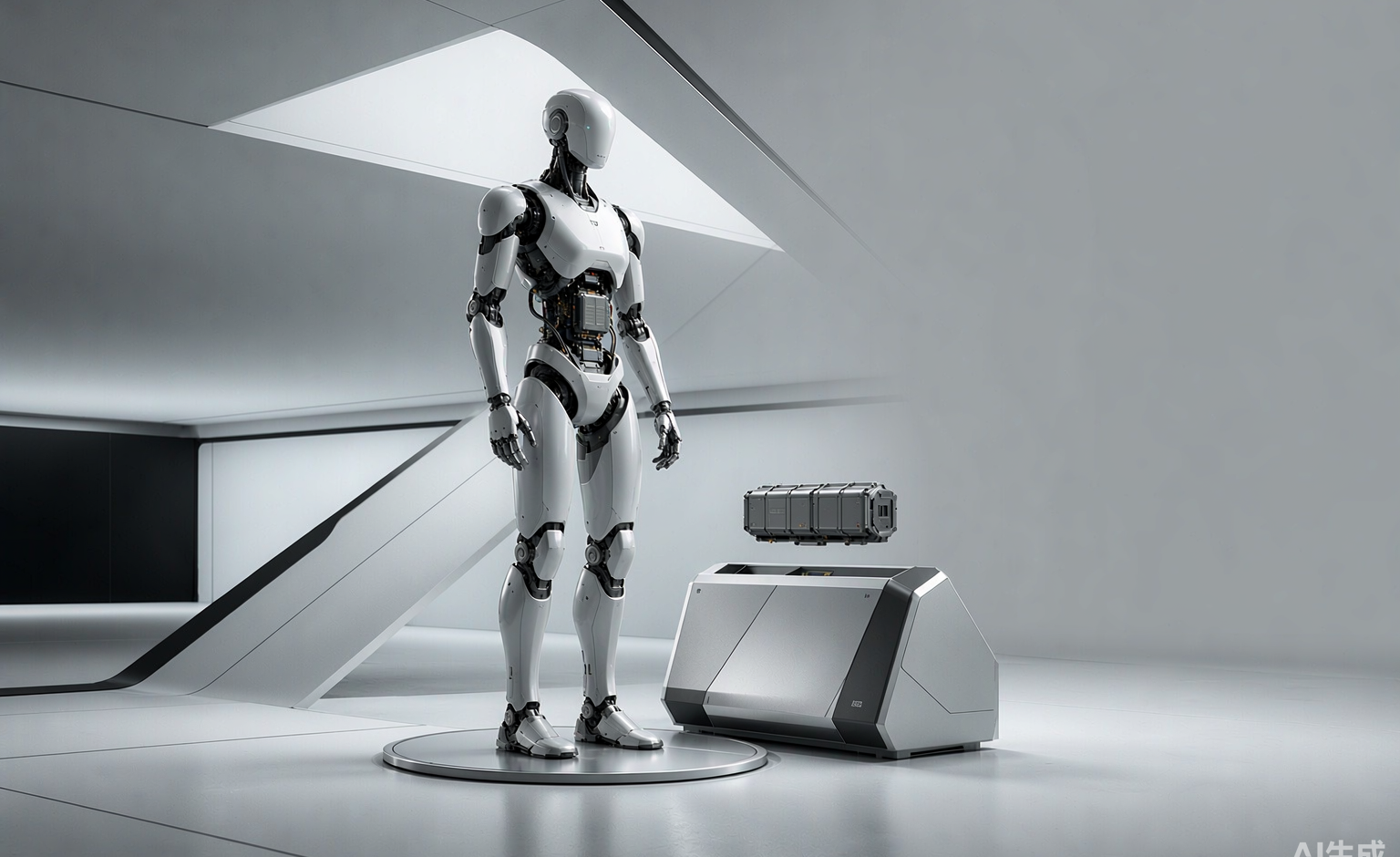
02 / EMBODIED AI POWER. Our second pillar brings the same data-center-grade safety discipline to robots: E-PACK structural batteries and E-BMS 48V power distribution for humanoids, quadrupeds and AMRs, E-SWAP autonomous battery swapping with a charging base, E-DOCK contact and wireless charging, and E-OS fleet energy software. Robot products are concept and R&D programmes, not mass-production specifications.
MANUFACTURING HERITAGE. Westlake TechEdge is backed by its sister company Westlake New Energy Co., Ltd., a lithium-battery manufacturer in mainland China that produces lithium battery cells, modules, packs, racks and larger storage systems. Through it we gain a global supply chain advantage in batteries and energy storage—cell supply, manufacturing scale, cost and delivery speed—backed by 47 group-wide patents in energy storage systems and software, and group EMS experience across 176 telecom sites.
WHY SINGAPORE, WHY NOW. Singapore is a regional data-center hub with more than 1.4 GW of capacity, and IMDA’s Green Data Centre Roadmap ties new capacity to energy efficiency and green energy (IMDA, 2024). From here we serve Johor, Batam and Jakarta. Robots are scaling in parallel: TrendForce expects humanoid shipments above 50,000 units in 2026, most still limited to 2–4 hours of runtime (TrendForce, Jan 2026).
See our manufacturing depth↗